- We offer interest free layby and deliver to your door
Menu

Menu
- We offer interest free layby and deliver to your door
How Durban’s Climate Affects Your Furniture Choices
- Home
- Single Blog
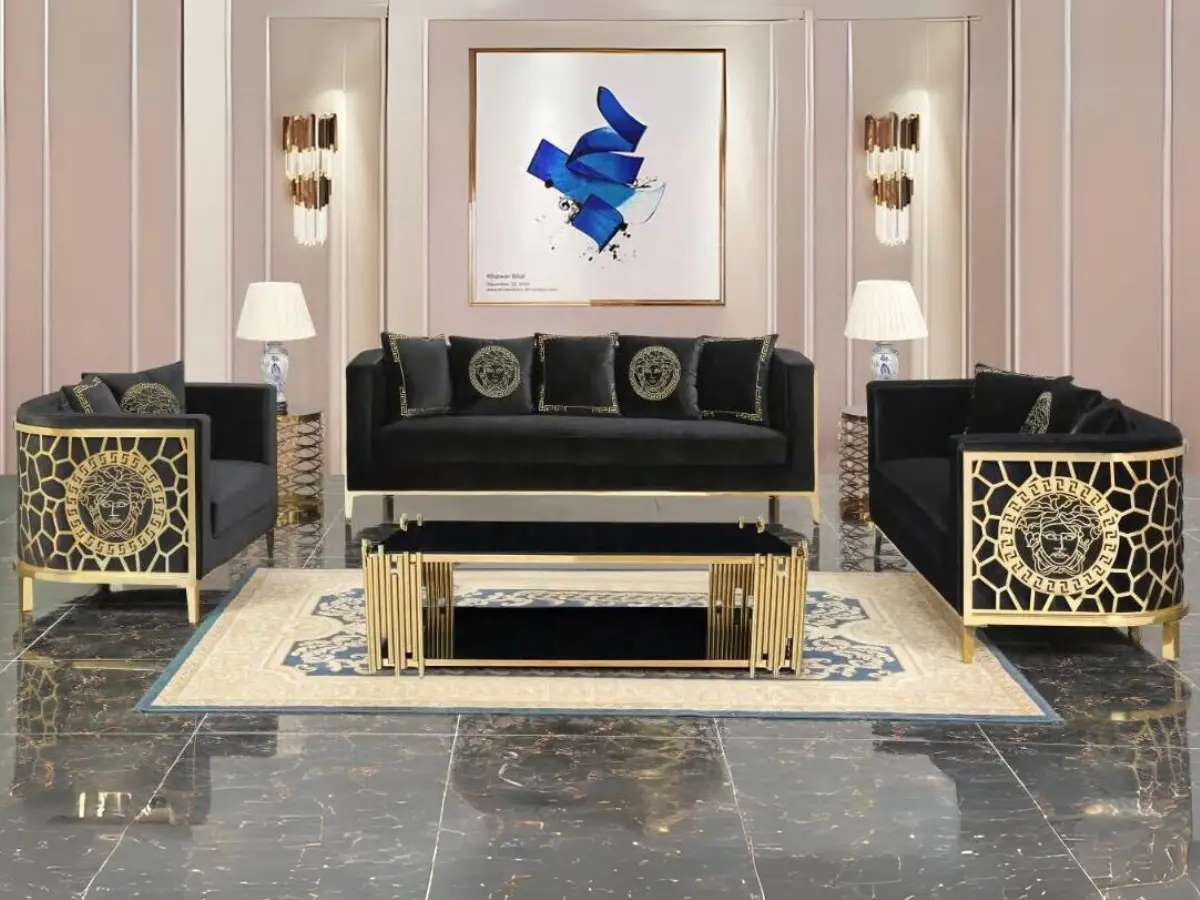
How Durban’s Climate Affects Your Furniture Choices
Durban’s warm coastal weather is one of its biggest attractions — but that same climate can have a major impact on your furniture. With high humidity, salty sea air, and seasonal temperature shifts, homeowners in Durban need to choose furniture carefully to ensure longevity and durability.
Many people focus purely on style when furnishing their homes. However, climate plays an equally important role. The wrong material can warp, swell, crack, or deteriorate much faster in coastal environments.
At Su Casa Designs, we understand how local conditions influence furniture performance. Here’s what you need to know about how Durban’s climate affects your furniture choices — and how to choose wisely.
Understanding Durban’s Climate
Durban experiences:
- High humidity levels year-round
- Warm to hot temperatures
- Salt-heavy coastal air
- Seasonal rainfall
Humidity is the biggest factor affecting furniture. Excess moisture in the air causes certain materials to expand, while dry periods can cause contraction. Over time, this expansion and contraction can weaken furniture structures.
1. Solid Wood: Durable but Climate-Sensitive
Solid wood is a popular choice for its beauty, strength, and timeless appeal. However, in Durban’s humid climate, wood must be properly treated and sealed.
How Humidity Affects Wood
Wood is a natural material that absorbs moisture from the air. In humid conditions:
- Wood may expand
- Joints can loosen
- Doors or drawers may stick
- Warping may occur if poorly treated
The solution isn’t avoiding wood — it’s choosing high-quality, well-finished solid wood furniture.
At Su Casa Designs, expertly crafted wooden furniture is designed with durability and proper sealing in mind, helping it withstand coastal conditions.
Best Practices for Wooden Furniture in Durban
- Choose kiln-dried wood
- Ensure proper varnish or sealant
- Avoid direct sunlight exposure
- Maintain consistent indoor humidity
- Use air conditioning or dehumidifiers if necessary
2. MDF and Engineered Wood: Budget-Friendly but Moisture-Sensitive
MDF (Medium-Density Fibreboard) is often chosen for affordability and smooth finishes. However, MDF is more vulnerable to moisture damage than solid wood.
In humid environments like Durban:
- MDF may swell if exposed to moisture
- Edges can chip or bubble
- Water damage is often irreversible
MDF works best in dry indoor environments away from kitchens, bathrooms, and open windows.
If you prefer engineered materials, ensure they are high-quality and properly sealed.
3. Metal Furniture and Coastal Corrosion
Durban’s salty air can accelerate rust and corrosion on untreated metal furniture.
This is especially relevant for:
- Outdoor furniture
- Balcony pieces
- Metal frames
- Light fixtures
How to Prevent Rust
- Choose powder-coated or stainless steel finishes
- Regularly clean metal surfaces
- Avoid constant exposure to sea air
- Apply protective coatings when needed
If you’re incorporating metal accents into your interior design, ensure they are suited for coastal conditions.
4. Upholstery and Fabric Considerations
Humidity affects fabrics, too. In damp environments, upholstery can:
- Develop mould or mildew
- Absorb odors
- Feel sticky or uncomfortable
Best Fabric Choices for Durban Homes
- Breathable cotton blends
- Linen (in well-ventilated areas)
- Moisture-resistant treated fabrics
- Performance fabrics for durability
Proper ventilation is key. Keep rooms well-aired and avoid pushing furniture directly against damp walls.
5. Leather Furniture in Humid Conditions
Leather furniture remains popular in South African homes. However, humidity can impact leather differently than dry climates.
In humid areas:
- Leather may absorb moisture
- It can feel tacky
- Improper care may lead to mildew
Maintenance Tips
- Clean and condition regularly
- Keep furniture away from direct sunlight
- Ensure proper airflow
High-quality leather pieces perform far better than lower-grade options.
6. Indoor-Outdoor Living in Durban
Durban’s climate encourages indoor-outdoor living, with patios and entertainment areas being central to many homes.
For outdoor furniture:
- Choose weather-resistant materials
- Avoid untreated wood outdoors
- Select UV-resistant fabrics
- Store cushions during heavy rain
Blending indoor and outdoor aesthetics is a growing trend. Neutral tones and natural textures create seamless transitions between spaces.
Explore durable, stylish pieces at Su Casa Designs that complement Durban’s lifestyle.
7. The Importance of Quality Craftsmanship
Regardless of material, quality craftsmanship makes a significant difference.
Poorly constructed furniture is far more vulnerable to:
- Warping
- Joint separation
- Moisture damage
- Structural weakening
Investing in well-built pieces ensures long-term performance in coastal environments.
High-quality furniture may cost more initially, but it often proves more economical over time due to its longevity.
8. Smart Layout and Placement
Where you place furniture also matters.
Avoid:
- Positioning wood directly against exterior walls
- Placing items near leaking windows
- Blocking airflow around large pieces
Ensure proper ventilation in rooms prone to moisture buildup.
9. Climate-Conscious Design Trends in Durban
Current interior trends in Durban reflect climate awareness:
- Light, breathable fabrics
- Natural wood tones
- Minimal heavy drapery
- Open layouts for airflow
- Elevated furniture to improve ventilation
These design choices not only look beautiful but also enhance durability in humid conditions.
10. Long-Term Value vs Short-Term Savings
It’s tempting to prioritize cost when furnishing your home. However, in Durban’s climate, cheaper furniture often deteriorates quickly.
Choosing durable, climate-appropriate materials ensures:
- Longer lifespan
- Better structural integrity
- Reduced replacement costs
- Greater resale value
Quality craftsmanship from trusted providers like Su Casa Designs helps you invest wisely.
Final Thoughts
Durban’s humid coastal climate plays a major role in determining which furniture materials will last. From solid wood expansion to MDF swelling and metal corrosion, understanding these effects helps you make informed decisions.
The key isn’t avoiding certain materials — it’s selecting high-quality, well-finished pieces designed to withstand moisture and salt exposure.
By choosing durable furniture tailored to local conditions, you protect your investment and maintain a beautiful home for years to come.
Call to Action
Looking for furniture that’s built to last in Durban’s coastal climate? Visit Su Casa Designs today to explore expertly crafted, durable pieces designed for South African living.
Contact our team for personalized advice and invest in furniture that combines style, strength, and long-term value.
Share This :


